• Compassion for every patient. Care in every moment.

What is General Surgery?

General Surgery treats conditions in the abdomen, breast, skin, soft tissues, and hernias, an area of medicine that hasn't really changed in scope for decades, even as the tools have. A gallbladder removal today might take under an hour through three small incisions. Fifty years ago, the same surgery meant a much longer cut and a week in hospital. Surgeons in this field still train in open surgery for the cases that genuinely need it, but lean on laparoscopic methods wherever the patient's condition allows, treating everything from a routine appendix removal to gastrointestinal, endocrine, and trauma cases that come in without warning.
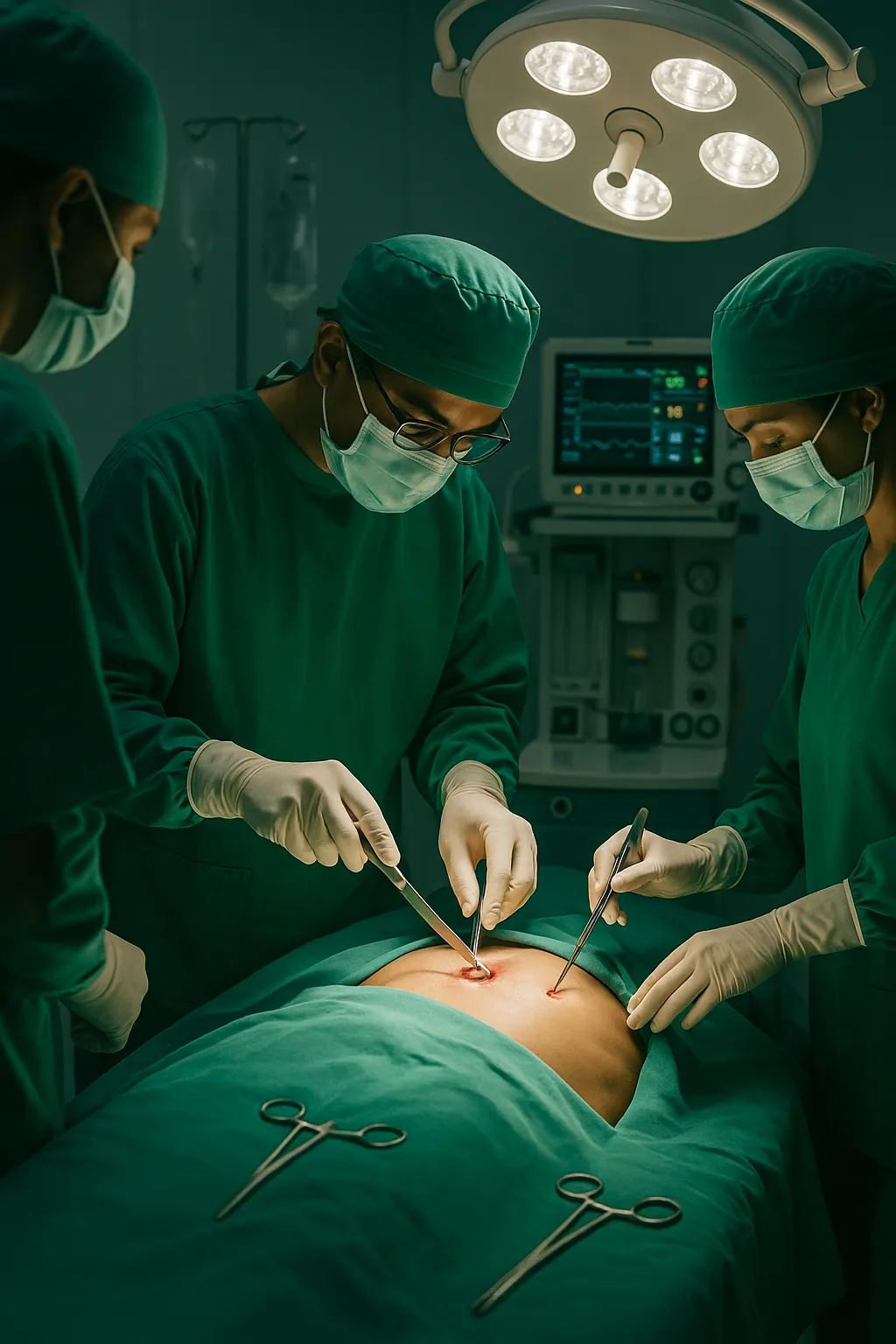
Experienced surgeons performing advanced general surgery using minimally invasive techniques at Mallige Hospital, the Best General Surgery Hospital in Bangalore.

Expert Surgical Care

General Surgery

Emergency appendectomies. Hernia repairs. GI surgeries that take real planning. At Mallige Hospital, our General Surgery department handles this range with the same standard of care applied to each one. Laparoscopic techniques come into play often here, since they tend to mean less pain afterward and a faster return to normal life, though our surgeons choose the approach based on what actually suits the patient.

The department's work reaches past hernias and abdominal cases too. Breast surgery. Thyroid and parathyroid conditions under endocrine surgery. Soft tissue tumor removal. Trauma cases that need urgent attention. None of these get handled off a template — each plan is shaped around the person in front of us, weighing safety alongside what recovery will actually look like for them.

Support doesn't stop once the operation is done, either. Before surgery, our team walks patients through what to expect. After it, that same team stays present through rehabilitation, so the weeks of recovery don't feel like something handled alone.

Key Services

Appendicectomy

Hernia Repair

Laparoscopic Surgery

Breast Surgery

Gastrointestinal Surgery

Colorectal Surgery

Endocrine Surgery

Trauma Surgery

Meet Our Specialists

Our Specialists Doctor

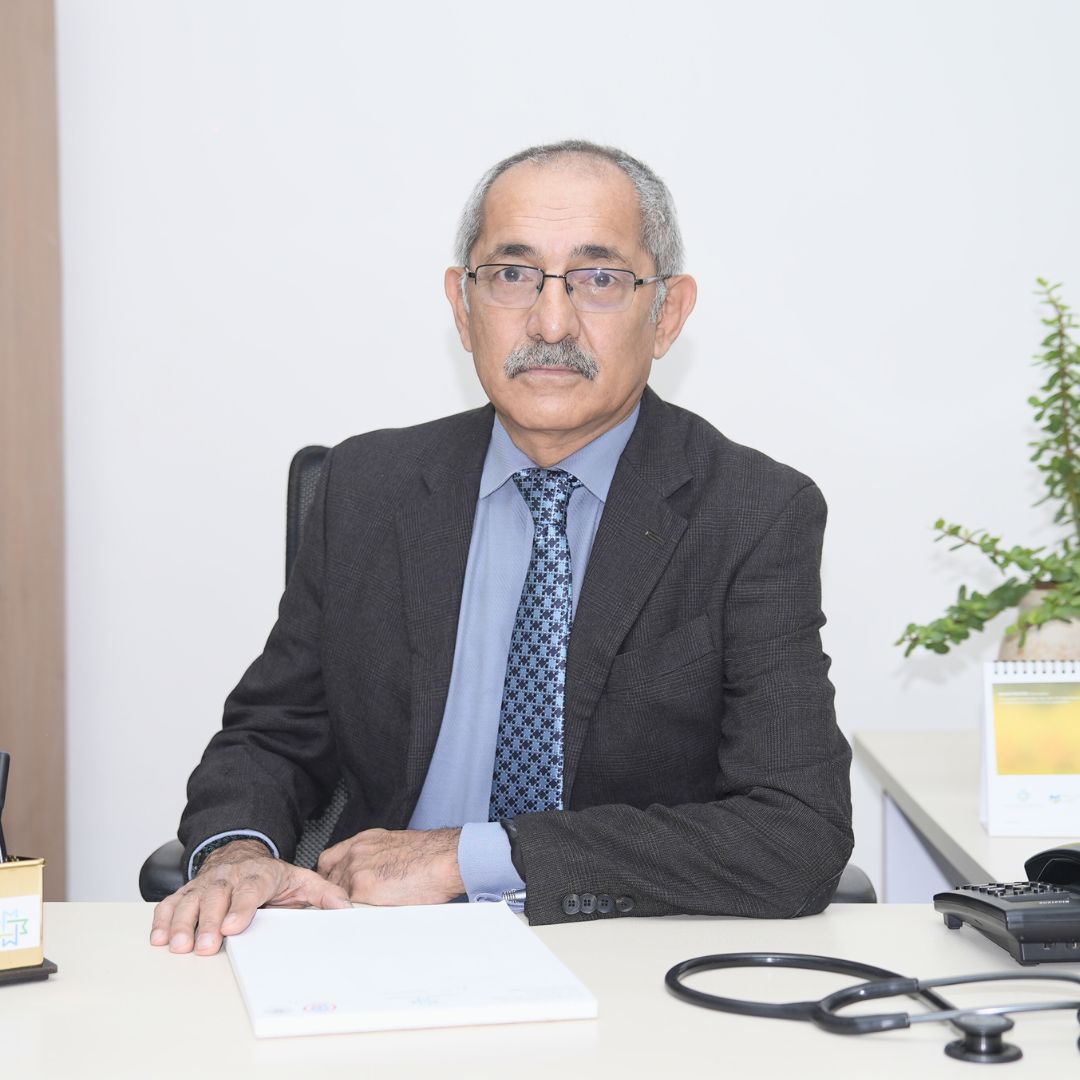
Dr. Chandan Juneja
Dr. Chandan Juneja
Consultant General Surgeon and Proctologist
General Surgery
MBBS, DNB (General Surgery)
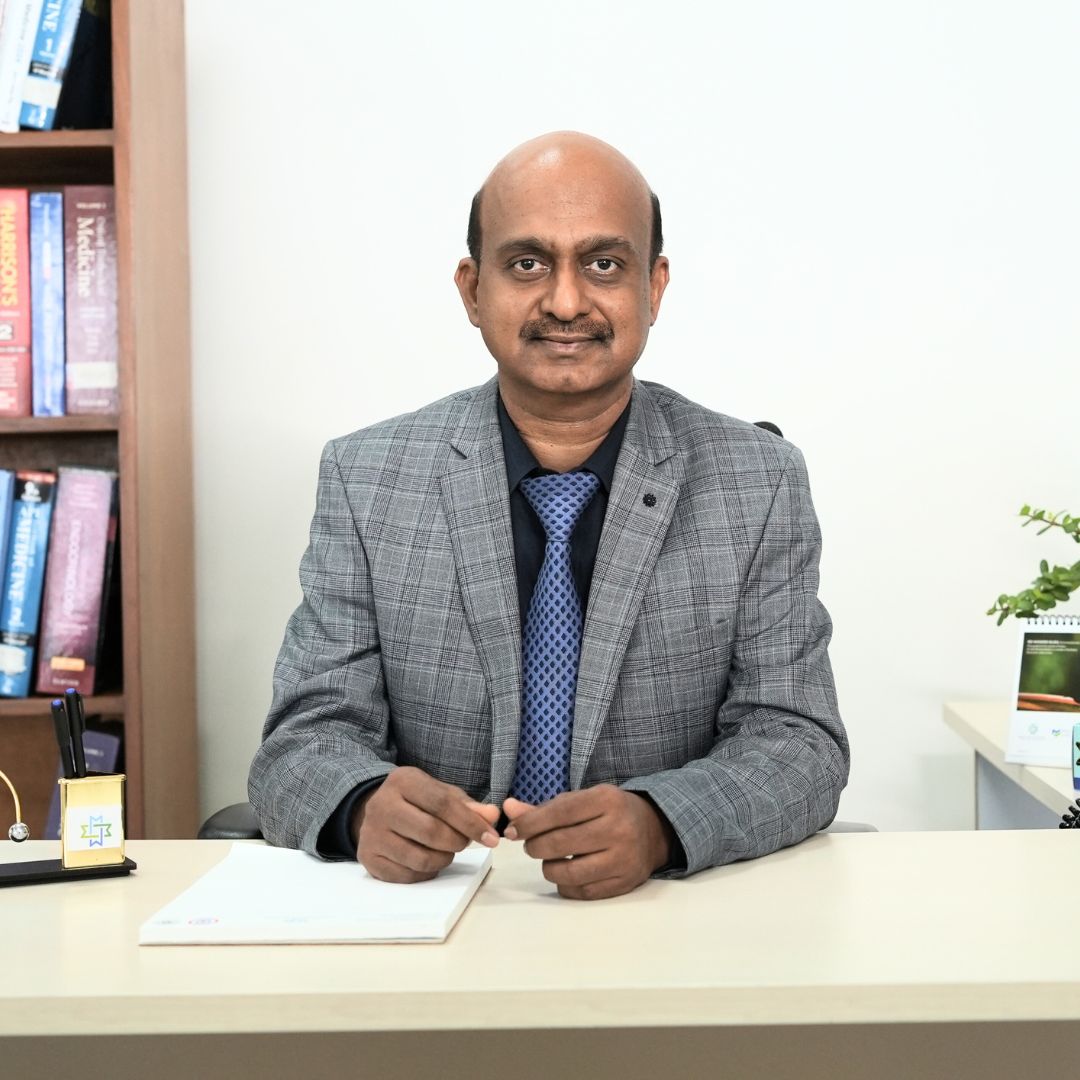
Dr. Krishna Reddy
Dr. Krishna Reddy
Consultant General, Laparoscopic, Bariatric Surgeon
General Surgery
MBBS, MS
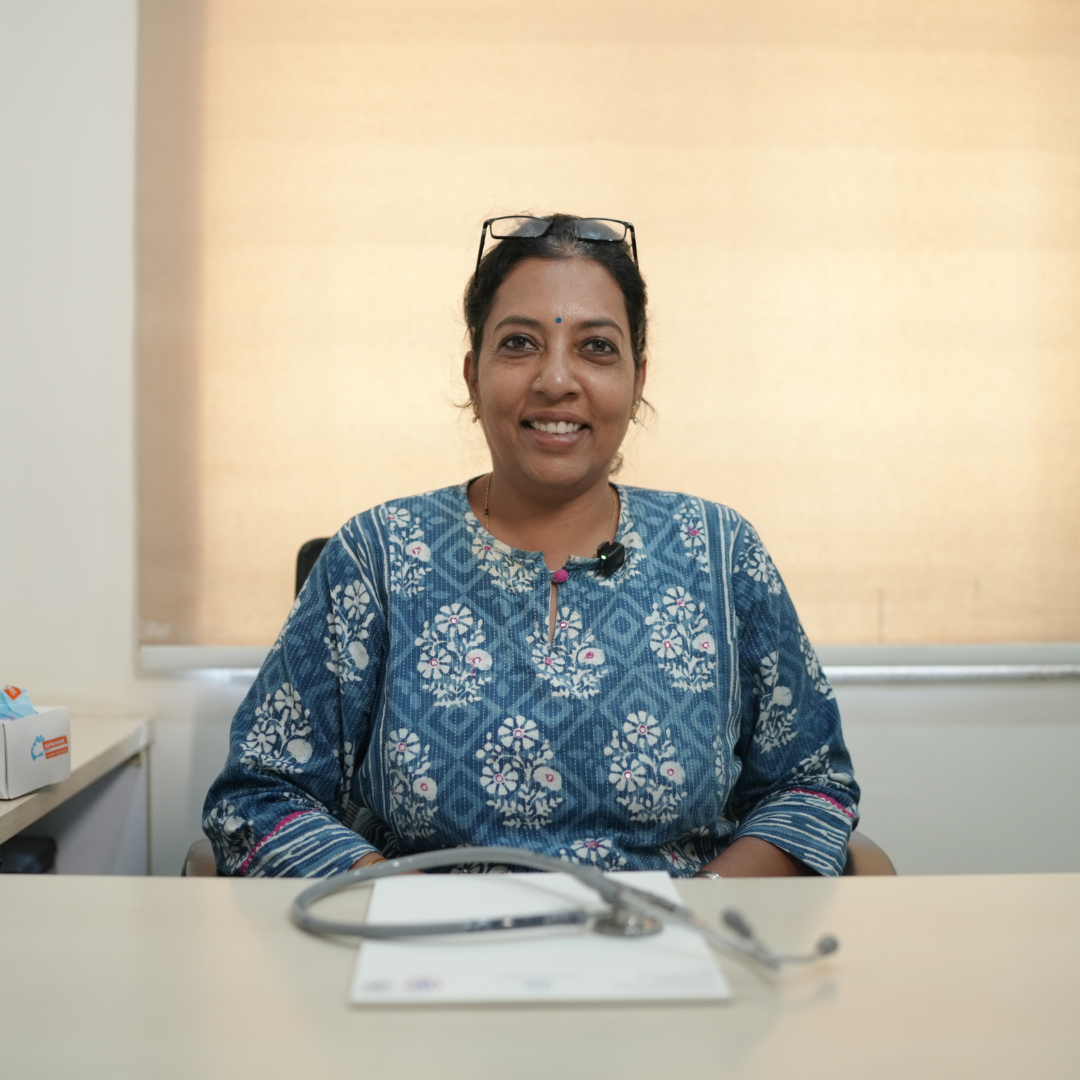
Dr. Sapna T
Dr. Sapna T
Consultant General Surgeon
General Surgery
MBBS, MS - General Surgery
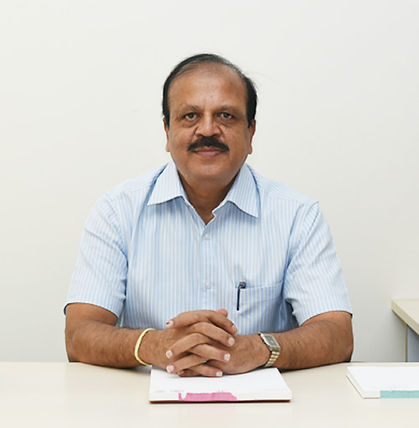
Dr. Srikanth K N
Dr. Srikanth K N
Consultant General and Laparoscopic Surgeon
General Surgery
MBBS, MS, FRCS (Glasgow)

FAQs

Sometimes, yeah, if it's caught early and mild enough. But once it's properly inflamed, most surgeons won't risk waiting. It's usually keyhole surgery now, a few small cuts, not the big scar people remember from decades ago. The real worry with waiting is rupture, and that changes everything.

It won't fix itself, that's really the short answer. What's happening is part of your intestine or tissue pushing through a weak point in the muscle wall, and weak points don't heal on their own, they widen over time. Repair usually means mesh, sometimes just stitching, and it's almost always keyhole surgery now.

Come down to the cuts, mainly. Open surgery needs one larger incision so the surgeon can see and work directly. Laparoscopic goes through a few tiny ones instead, camera does the seeing. Recovery's usually faster with the smaller approach, though it depends on what's actually being treated.

No, that's a common worry but it's not accurate. Could be a lumpectomy, just removing the affected part. Could be a full mastectomy. Could be reconstruction, or removing something benign that was never cancer to begin with. Depends entirely on what's found and what you and your surgeon decide together.

Ulcers that won't heal. Tumours. Blockages that medication can't clear. The surgery itself varies a lot, gastric resection, bowel resection, sometimes anti-reflux procedures, open or laparoscopic depending on severity. Usually it's the option once other treatment's already been tried.

No, and people assume that a lot. Inflammatory bowel disease brings people in too. So do severe haemorrhoids, believe it or not. Minimally invasive is the norm here now, recovery's genuinely a lot easier than it used to be.

Usually a tumour, or the gland's overactive, or something's off that medication alone can't fix. Thyroidectomy's the common one, though parathyroidectomy and adrenalectomy happen too for glands elsewhere doing the same kind of trouble.

Stop the bleeding. Stabilise whatever's failing. That's it, that's the whole priority at the moment, internal bleeding, organ damage, fractures from an accident. Nothing's planned here, it's reactive, fast, and everything else waits until the person's stable.

Yes, completely normal life afterward for most people, though doctors usually flag some extra precaution around infection since the spleen helps with that. Removal happens when it's ruptured, badly diseased, or messing with your blood cells. Planned removals go laparoscopic often, trauma cases usually can't wait for that.

Mostly no, medication handles it. Surgery gets considered when it keeps bleeding, won't heal, or actually perforates. Depending how bad it is, that could mean repairing the hole, cutting out the damaged part, or reducing the acid that's causing it in the first place.

Your Safety Comes First

Surgery isn't something to take lightly, not even the routine kind, and honestly it shouldn't be. Who's behind the procedure matters just as much as the procedure itself, right from your first consultation through the whole recovery. That's really why so many patients end up trusting us as the best general surgery hospital in Bangalore.

Got questions before going in? Just talk to our specialists, we'll walk you through it, no pressure.

Could not find what you are looking for?

Request a Callback